Interior vs. Exterior Residential Waterproofing: Which Is Right for Your Atlanta Home?
Choosing the right waterproofing method is one of the most important decisions Atlanta homeowners face, and residential waterproofing options generally fall into two main categories: interior and exterior. Each approach works differently, fits different home types, and suits different conditions found throughout the Atlanta metro area. Understanding both methods can help you make a confident, informed decision before water damage takes hold.
What Is Interior Waterproofing and When Does It Make Sense?
Interior waterproofing manages water after it enters your home's foundation area. Rather than blocking moisture at the source outside, interior systems collect and redirect water before it can cause damage. For many Atlanta, GA, homeowners exploring residential waterproofing, this approach is a practical and effective solution, especially in established neighborhoods where excavating around a home is difficult or cost-prohibitive.
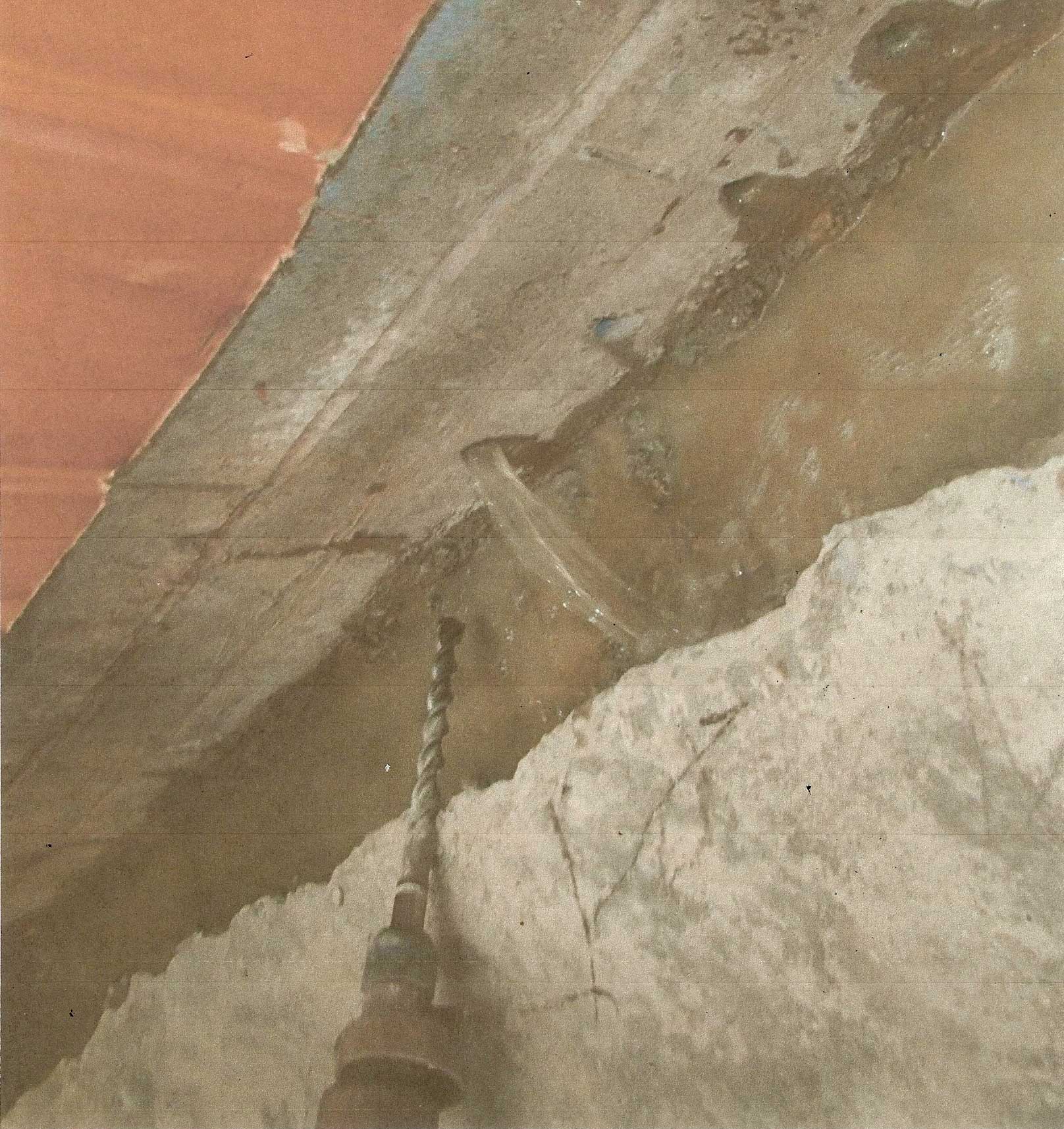
Common interior methods include drainage channel systems installed along the perimeter of a basement floor, sump pump systems that actively remove collected water, and vapor barriers used in crawl spaces to control moisture. These systems work around the clock to keep water levels under control, even during heavy rain events.
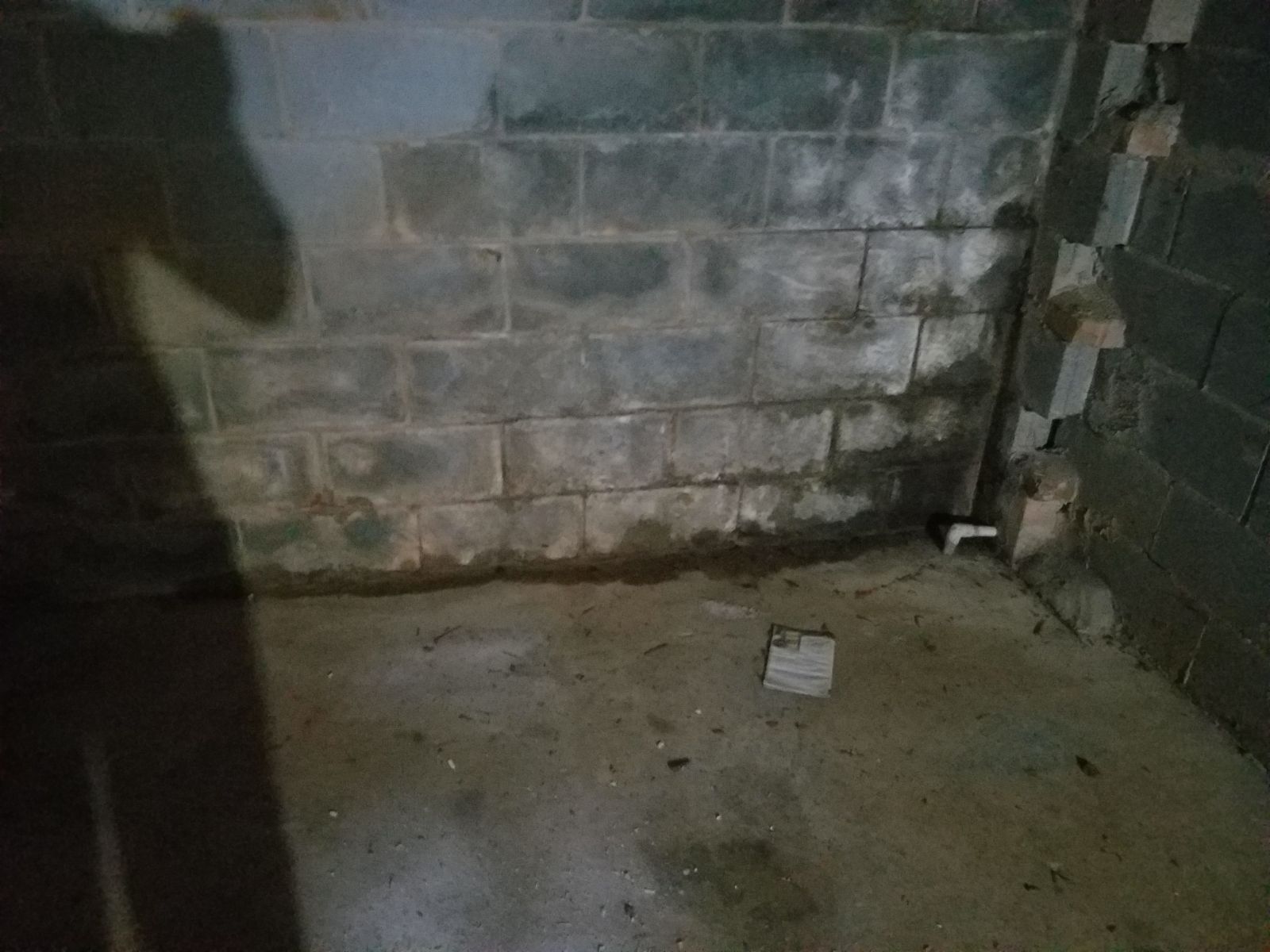
Atlanta sits in a region that receives around 50 inches of rainfall per year, well above the national average. When that rain falls on the dense clay soils common across DeKalb, Fulton, and Gwinnett counties, water can move slowly through the ground and find its way into basements and crawl spaces over time. Interior drainage systems are often well-suited to this pattern of slow, persistent moisture intrusion.
Interior waterproofing also tends to be the go-to choice for homes where the problem is hydrostatic pressure, which builds up when saturated soil pushes water through foundation walls and floor joints. It typically causes less disruption to landscaping and outdoor features, and installation can usually happen year-round regardless of weather.
How Does Exterior Waterproofing Differ?
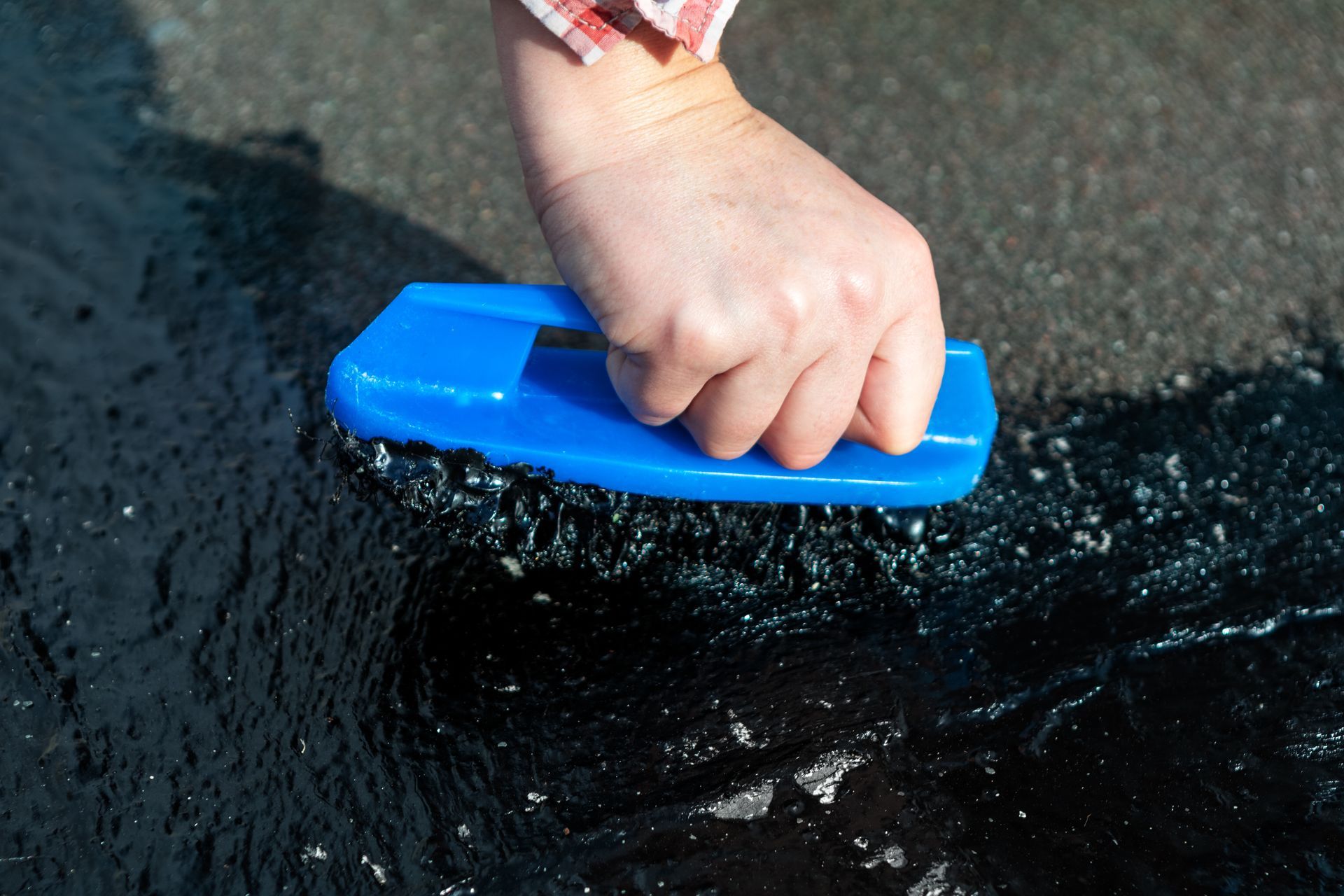
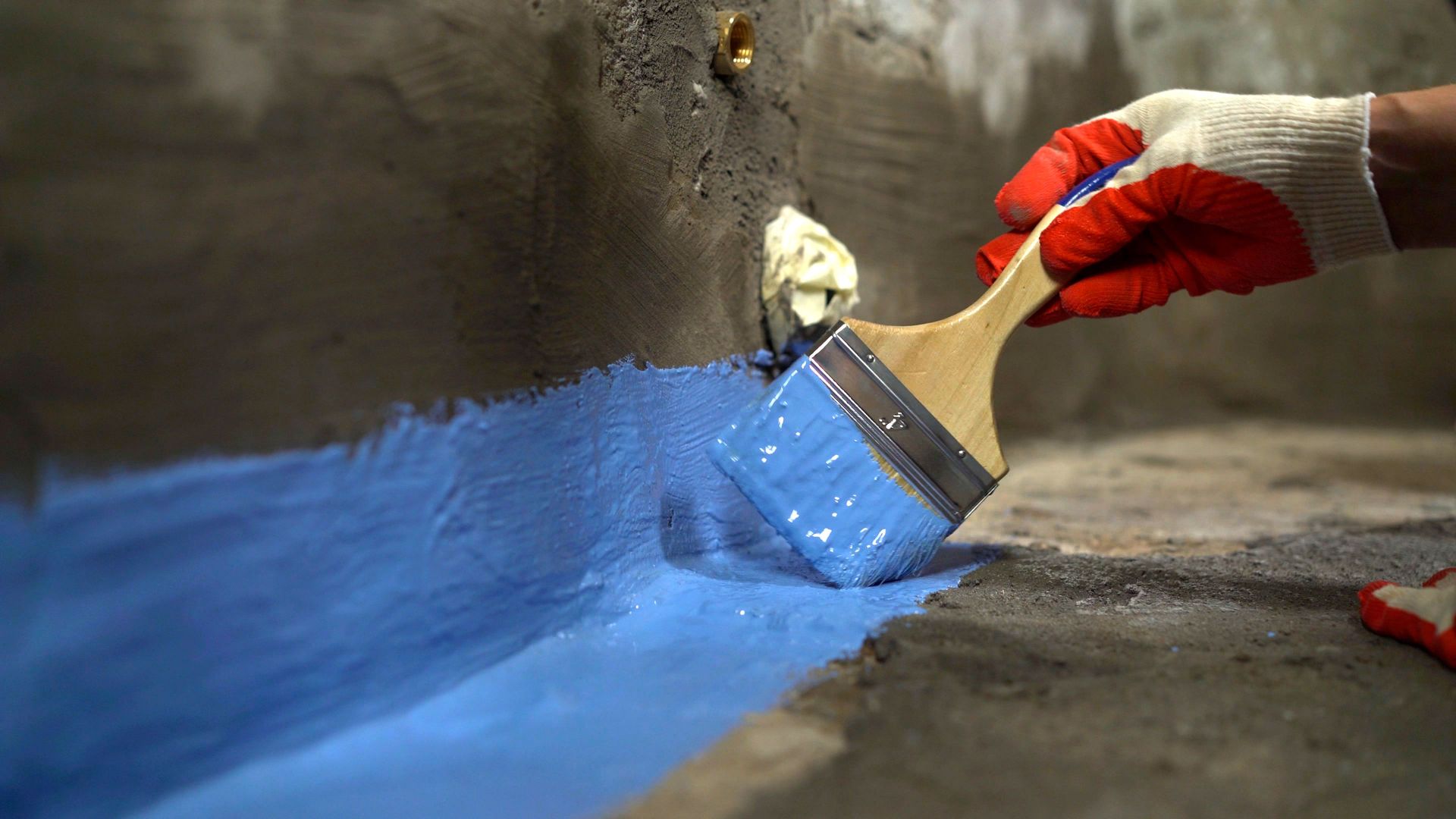
Exterior waterproofing stops water at the foundation wall before it ever gets inside. This method typically involves excavating the soil around the home's perimeter, applying a waterproof membrane or coating directly to the outside of the foundation, and installing a drainage system that directs water away from the structure. It addresses the root cause rather than managing the symptom.
For Atlanta homes with new construction or those undergoing major renovation, exterior waterproofing may be the most thorough long-term option. Neighborhoods like Buckhead, Morningside, and East Cobb feature many older homes built on hillsides or lots with challenging grading, where exterior drainage corrections can make a significant difference in how water behaves around the foundation.
The main trade-off is disruption. Excavating around a foundation is a larger project. It requires moving landscaping, hardscaping, and sometimes utility lines. It is also typically weather-dependent, since the membrane needs dry conditions to cure properly. However, when done correctly, a strong exterior membrane can provide a durable barrier against water intrusion and may be warranted when foundation walls show significant cracking, bowing, or active leaking.
Which Method Is Right for Your Atlanta Home?
The best approach depends on your home's foundation type, age, lot conditions, and the nature of the water problem. Here is a general framework to guide your thinking:
▸If your home has a basement with recurring moisture, hydrostatic seepage, or slow water entry after heavy rain, an interior drainage system may be the right fit.
▸If your home is newer or undergoing major exterior work, and you want to block water at the source, exterior waterproofing may be the stronger long-term investment.
▸If your home has a crawl space, vapor barrier installation and interior drainage are often the first line of defense against moisture and mold in Atlanta's humid climate.
▸If your foundation walls show active cracking or structural movement, a combination of both interior and exterior solutions, along with foundation repair, may be necessary.
Atlanta's red clay soil plays a major role here. Clay expands when wet and contracts when dry, which creates constant pressure cycles against foundation walls throughout the year. Homes in areas like Stone Mountain, Decatur, and Lithonia often see this effect more dramatically due to soil composition and elevation changes. A proper assessment by a local expert can identify which residential waterproofing method, or combination of methods, matches the specific moisture behavior at your property.
It is also worth noting that residential waterproofing serving Atlanta, GA, homeowners should always account for local drainage patterns and grading. Poor yard grading is one of the most common contributors to basement and crawl space water problems across the metro area, and correcting it can amplify the effectiveness of either interior or exterior waterproofing.
Is Interior or Exterior Waterproofing Better for Atlanta Homes?
Neither method is universally better. Interior systems are often more accessible and less disruptive, making them practical for most existing Atlanta homes. Exterior systems offer a proactive barrier and may be preferred for new builds or when foundation walls need direct treatment. Many homes benefit most from a tailored combination of both, and the right residential waterproofing plan will reflect the unique conditions of your property.
Does Atlanta's Clay Soil Affect Which Waterproofing Method I Need?
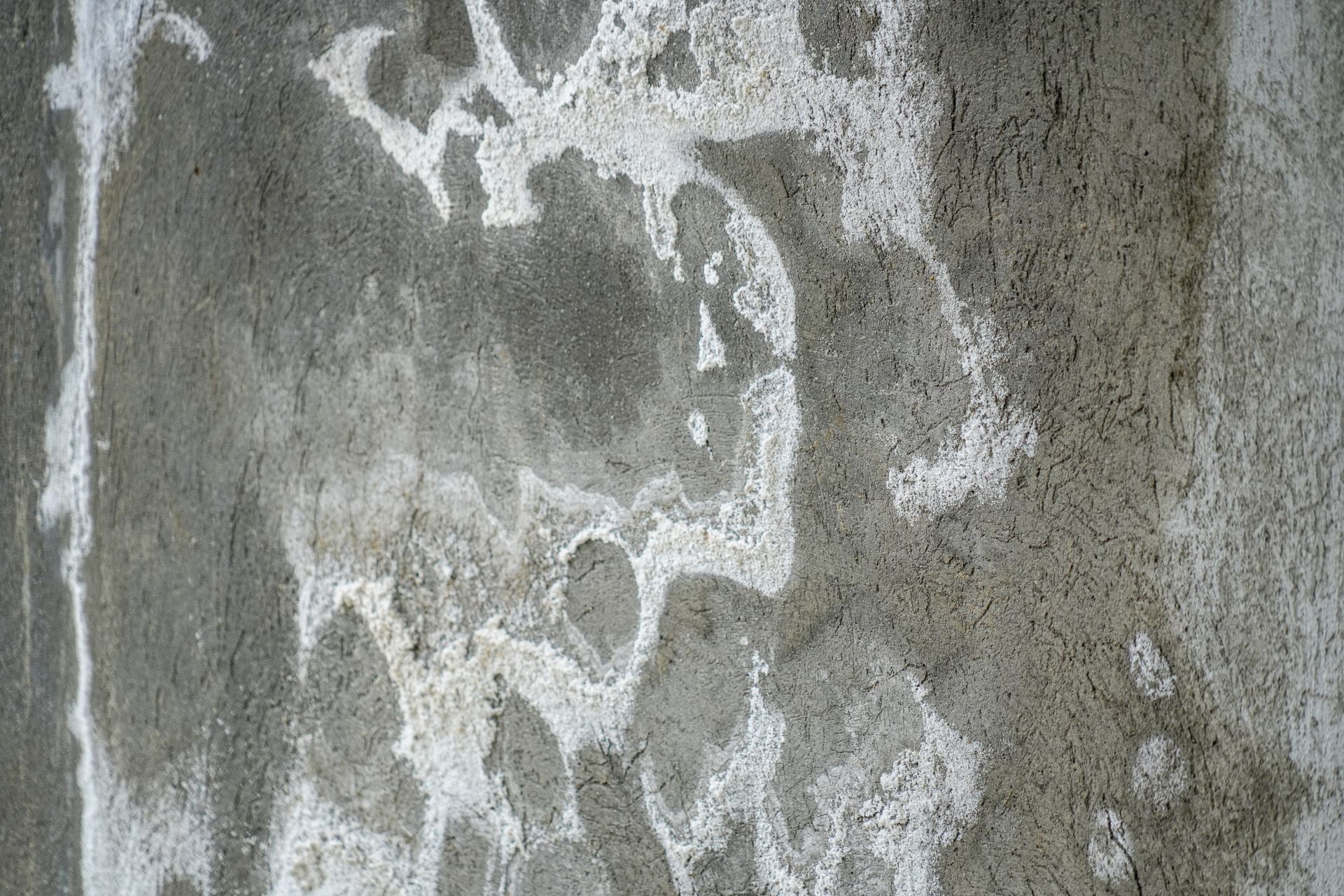
Yes, it often does. Atlanta's expansive clay soils retain moisture and exert significant lateral pressure on foundation walls. This can accelerate water intrusion through cracks and joints. A qualified waterproofing professional can assess whether interior drainage, exterior membrane work, or structural reinforcement is the appropriate response to the soil conditions at your specific address.
Get a Free Estimate From Sundry Waterproofing
Every Atlanta home is different, and the right waterproofing method should be matched to your specific foundation, soil, and water conditions.
Sundry Waterproofing offers free estimates and brings decades of experience serving homeowners across the Atlanta metro with both interior and exterior residential waterproofing solutions. Their team can evaluate your
basement drainage needs, crawl space moisture issues, and foundation conditions to recommend the most effective approach for your home. Call
(678) 969-9080 to schedule your free estimate, or visit
Sundry Waterproofing to read reviews and learn more.