Basement Waterproofing Tips From Residential Waterproofing Experts
Keeping your basement dry is one of the most important parts of residential waterproofing, and Atlanta, GA, homeowners face some unique challenges that make it worth understanding well. Atlanta's heavy spring rainfall, high humidity, and clay-heavy soil all put pressure on home foundations year-round. Knowing the difference between what you can handle yourself and when to call a professional can save you time, money, and stress.
Why Atlanta Basements Are Especially Vulnerable to Water Damage
Atlanta basements face water pressure from multiple directions. The city receives frequent heavy rainfall, especially in spring and summer. On top of that, the clay soil common throughout the metro area expands and contracts with moisture, which can shift and crack foundations over time.
Hydrostatic pressure is the main force pushing water into basements. When water builds up in the soil around your foundation, it looks for the path of least resistance. That path often leads straight into your basement walls or floor.
What Can Homeowners Do on Their Own?
Simple maintenance steps can reduce water risk before it becomes a bigger problem. These are tasks most homeowners in Atlanta, GA, can handle without professional help.
- Keep gutters and downspouts clear of debris so water drains away from the foundation.
- Grade soil around the home so it slopes away from the foundation at a gentle angle.
- Check window wells for standing water and add gravel or covers as needed.
- Inspect visible foundation walls for small cracks and monitor them over time.
These DIY steps can slow moisture entry. However, they may not address deeper drainage or pressure issues already present in the foundation. For a more complete approach to home waterproofing, professional evaluation is often the most reliable next step.
When Does Basement Waterproofing Require a Professional?
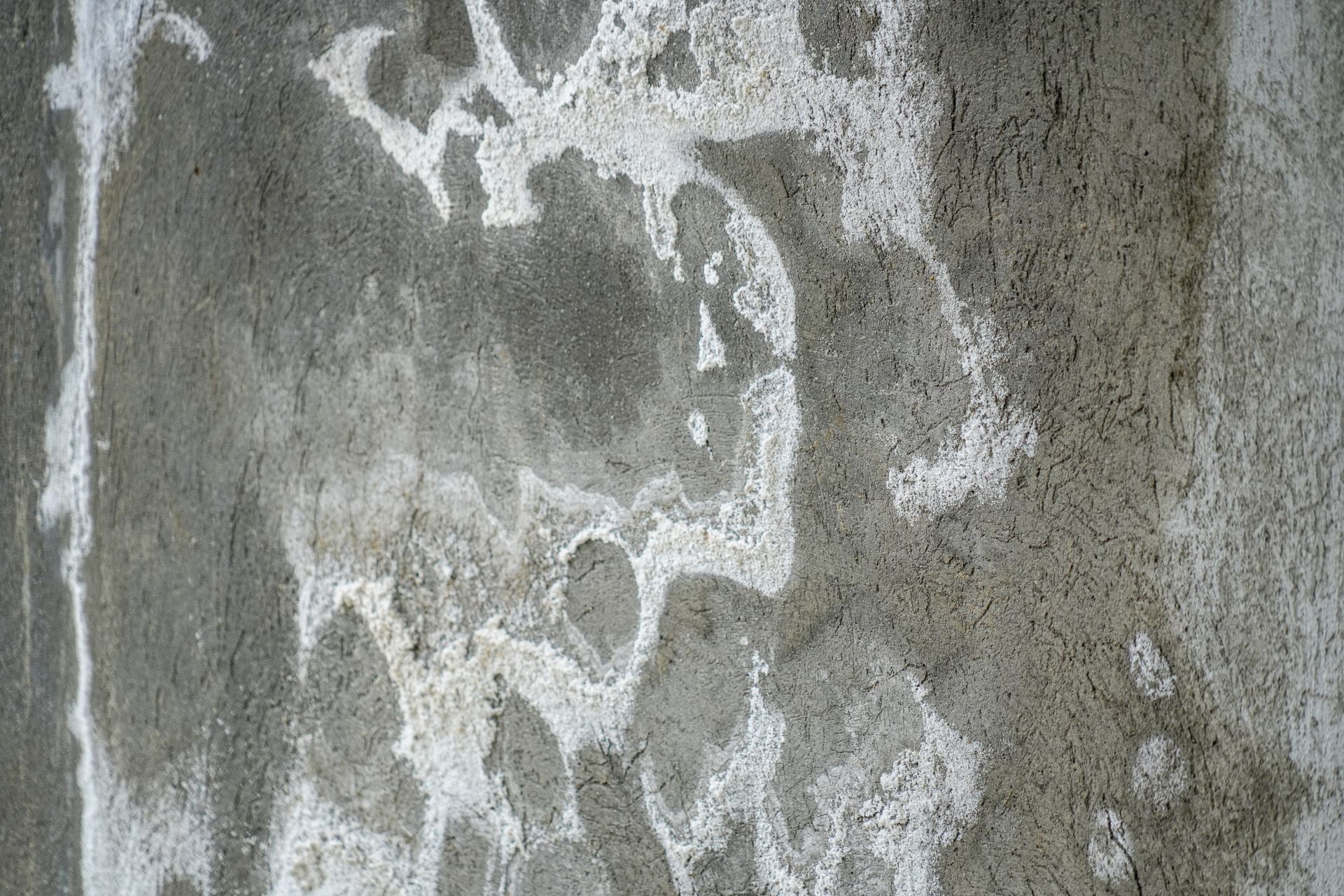
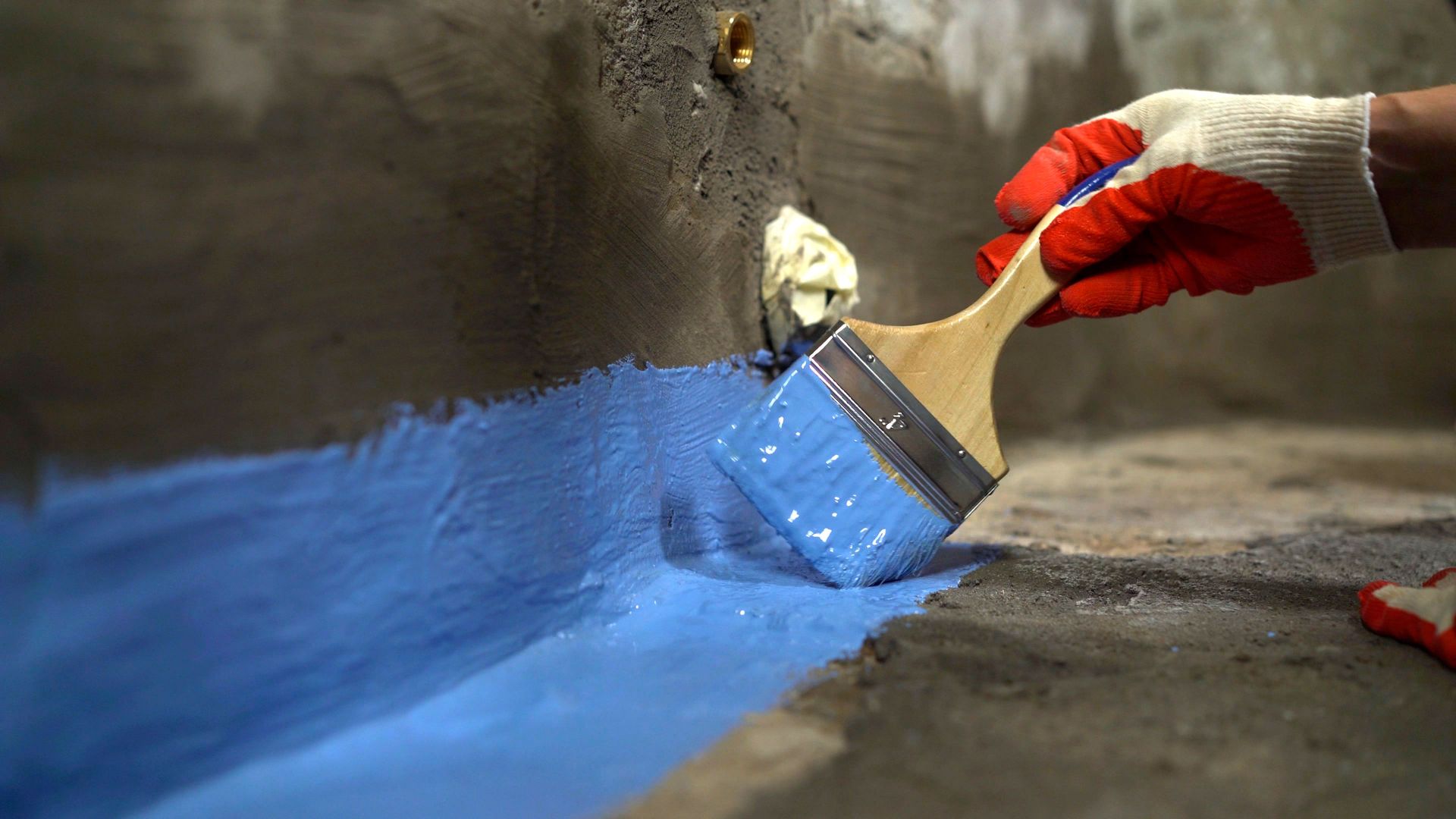
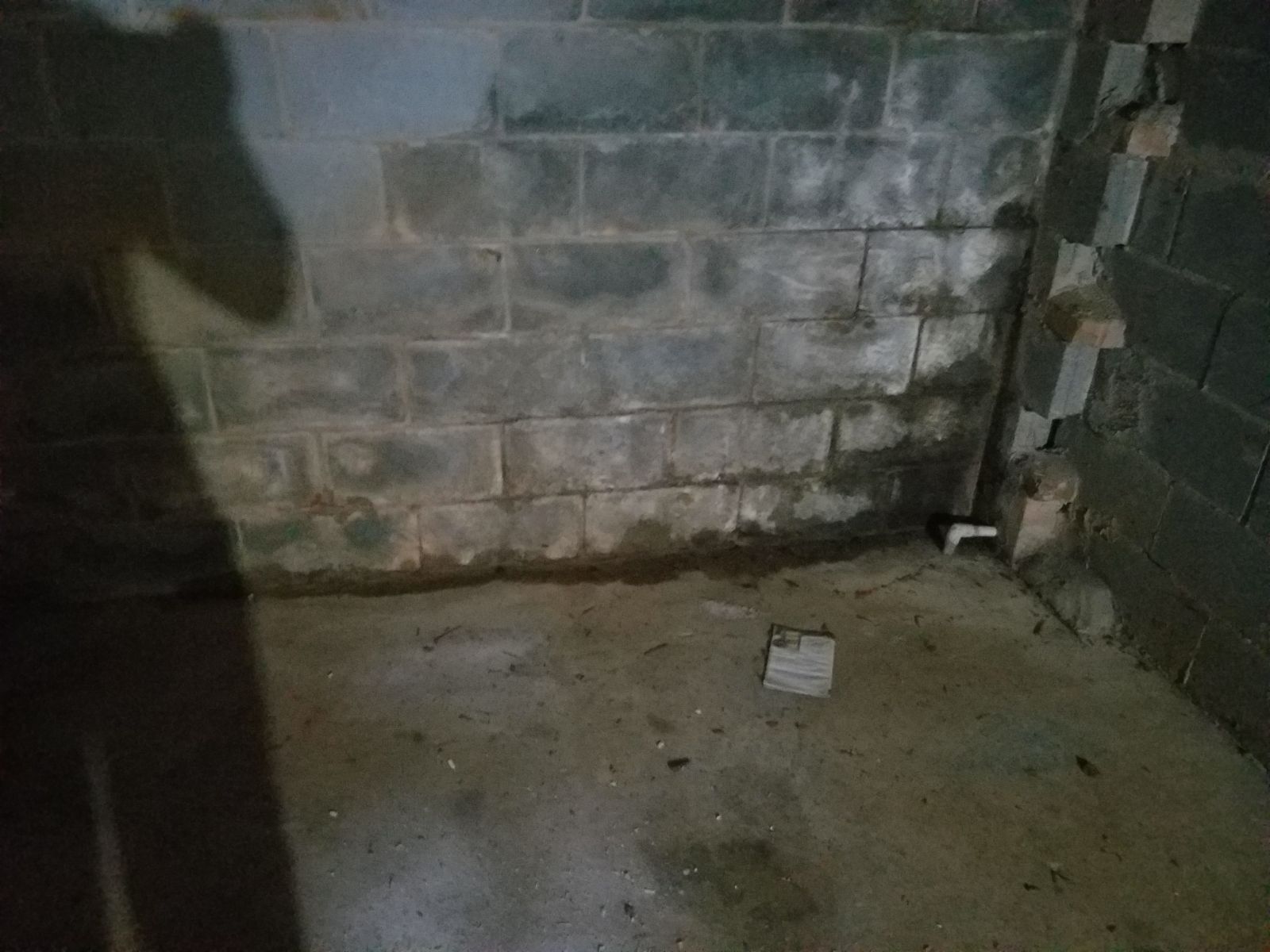
Professional basement waterproofing is typically needed when water is actively entering the space, walls show bowing or staining, or a musty smell persists despite surface-level fixes. Hardware store sealants and waterproofing paints may help reduce odors temporarily, but they often cannot hold back sustained hydrostatic pressure. Over time, water pressure can break those seals and allow moisture to return.
A professional assessment can identify whether the source of the problem is interior drainage, exterior water intrusion, foundation movement, or a combination of all three. Each home is different, and the right fix depends on a proper diagnosis.
Interior vs. Exterior Waterproofing Solutions
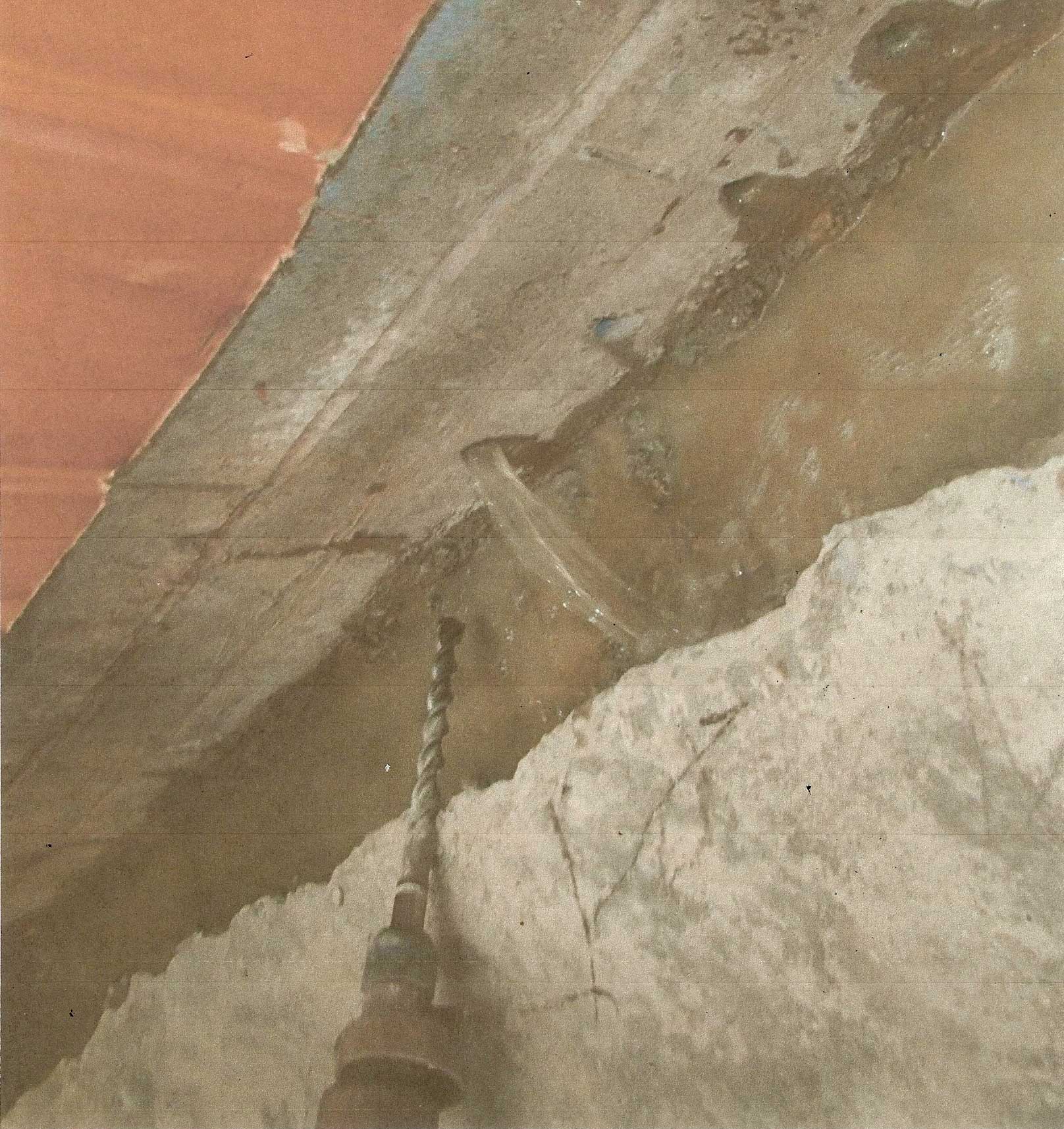
Interior systems manage water that has already entered the foundation area. They typically involve drainage channels installed along the perimeter of the basement floor, paired with a sump pump to move water out. Exterior solutions focus on preventing water from reaching the foundation at all, using membranes, drain mats, and French drains. Both approaches may be appropriate depending on the severity and source of the water intrusion.
Residential waterproofing decisions should never be based on a one-size-fits-all approach. The soil type, foundation material, and water source all influence which method may work best for a given property.
Ready to Protect Your Atlanta, GA, Basement?
Sundry Waterproofing provides residential waterproofing services in Atlanta, GA, and offers free, no-obligation estimates for homeowners who want a professional assessment. Whether your concern is a damp wall, active seepage, or long-term prevention, getting an expert opinion is a smart first step. Contact us today or find us on Google Maps to schedule your free estimate.