What Affects the Cost of Home Waterproofing in Atlanta, GA?

Sundry Waterproofing • November 10, 2026

This guide explains what affects the cost of home waterproofing in Atlanta, GA, and how to plan for it. Every foundation is different, so a fair quote starts with understanding what drives the price. Use this guide to ask better questions before you book an estimate.

Why Home Waterproofing Costs Vary

Two houses on the same street can need very different home waterproofing. One may have a damp basement wall, while the next has a wet crawl space and a clogged yard drain. The price follows the plan.


Atlanta adds its own twist to home waterproofing. Dense red clay holds water against foundation walls and builds pressure behind them. That pressure decides how much work a house needs, so a quote has to start with an inspection.

Interior or Exterior Work

The biggest question is whether the fix goes inside, outside, or both. Each route has its own cost drivers.


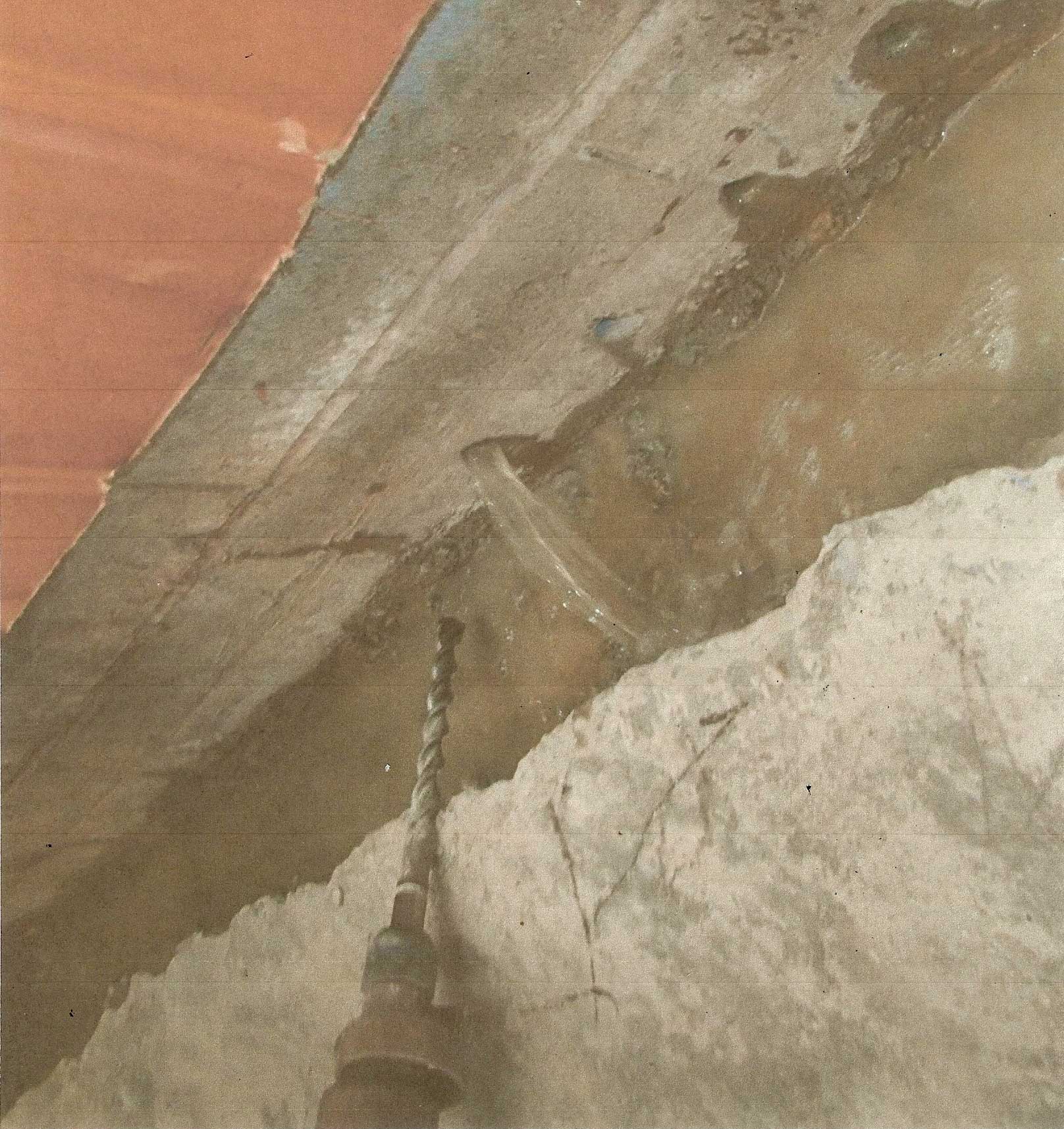
Interior systems manage water that has already reached the footing. Some jackhammering is needed to expose the footing, and the concrete is replaced afterward. One interior drainage system is priced by the linear foot, so a longer wall means a larger job.


Exterior work stops water before it reaches the wall. This route generally costs more, because the crew must dig down to the footing. The depth makes the difference.

Why Dig Depth Matters

Digging is the largest variable in exterior home waterproofing, and it is the part owners often overlook. In some homes, the footing sits only a few feet below the surface. In others, the crew must dig as much as 8 to 10 feet to expose it.


The deeper the dig, the more labor, time, and equipment the job needs. That is why two exterior quotes can look very different, even for homes of the same size.

Crawl Space and Basement Differences

Crawl spaces and basements call for different tools. A crawl space may need a vapor barrier, and the thickness changes the job. A 6-millimeter standard barrier is a lighter option, while a 12-millimeter clean space encapsulation barrier is a fuller one.


Basements may need interior drainage, a pump, or crack repair. Each added piece changes the total, so the plan should list every part clearly. A written breakdown makes it easier to see what you are paying for and why.

Other Things That Shape the Quote

Several smaller details can change the final number. Keep these in mind:


  • The length of wall that needs a drain.
  • The type of foundation, such as poured concrete or block.
  • Whether cracks need repair first.
  • The condition of gutters and downspouts.
  • Whether you want landscape drainage or downspout extensions.
  • The warranty you choose.

How to Get a Clear Estimate

A clear estimate starts with clear information. These steps help you compare home waterproofing quotes fairly:


  1. Write down where you see water, stains, or musty smells.
  2. Note when the problem shows up, such as after heavy rain.
  3. Ask for a free, in-person inspection.
  4. Ask what the quote includes and what it leaves out.
  5. Ask about warranty terms before you sign.

Ways to Keep Costs Predictable

A few habits can keep a small problem small. Try these:


  • Call at the first sign of dampness, since a small leak is usually simpler to fix than a large one.
  • Keep gutters clear and downspouts pointed away from the house.
  • Fix cracks while they are small.
  • Compare the full scope of each quote, not only the bottom line.

Questions About Waterproofing Estimates

  • Q: Why Is Exterior Waterproofing Usually More Expensive?

    A: There is no one type of waterproofing that is better. The question is what solution is right for your home. Each home is different, so all options must be explored to make an educated decision. Sundry Waterproofing prides itself on diagnosing the exact situation and prescribing the appropriate remedy to provide a dry foundation.

  • Q: How Is an Interior Drainage System Priced?

    A: One interior system is sold by the linear foot. The length of wall you need to protect sets the size of the job. An inspection will show how much your home needs.

  • Q: Does a Warranty Change the Cost Picture?

    A: It can matter a lot. A transferable lifetime warranty on interior systems protects the work for as long as you own the house, and later owners can use it too. Ask what each warranty covers before you compare quotes.

  • Q: Is a Free Estimate Really Free?

    A: Many companies offer free estimates, but policies vary. Ask before you book so there are no surprises. A good estimate is written and lists what is included.

Get a Clear Estimate From a Local Team

Clear pricing starts with a conversation. Sundry Waterproofing is a locally owned company serving Atlanta homeowners since 2005. The team offers free, no-obligation estimates and warranties on its interior and exterior work.


Learn more about our residential waterproofing services, or contact us to schedule an inspection. You can also call (678) 969-9080 to speak with a member of the team.

Gloved hand using a trowel to smooth wet waterproofing coating on concrete.
By Curtis Taylor • September 10, 2026
Compare interior vs. exterior residential waterproofing for your Atlanta, GA, home. Sundry Waterproofing offers free estimates and local expertise. Call now.
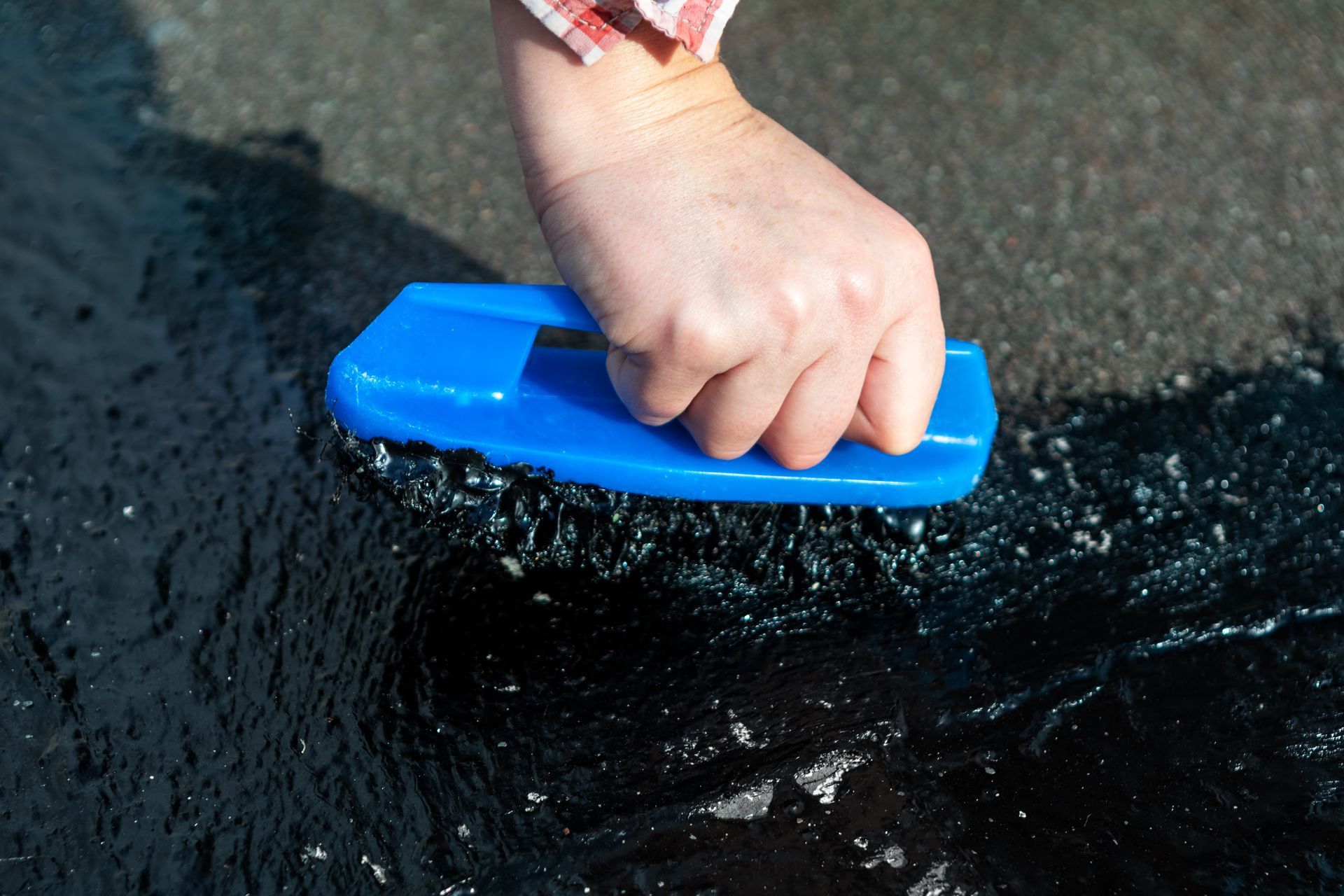
Hand applying waterproofing sealant to a surface with a blue applicator tool.
July 10, 2026
Get residential waterproofing tips for Atlanta, GA, homes. Sundry Waterproofing offers DIY advice and professional solutions. Request a free estimate today.
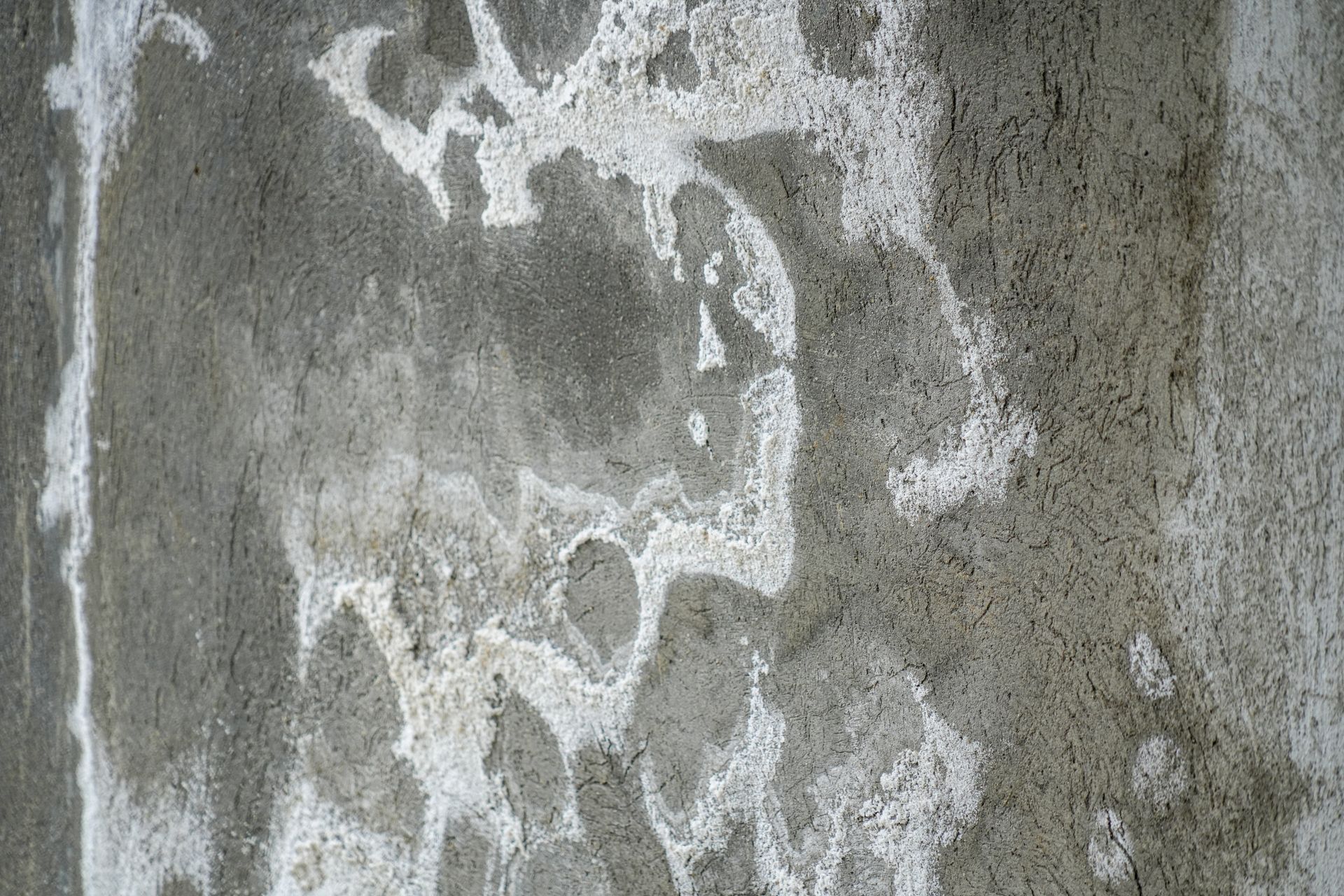
White, chalky patches forming irregular patterns on a rough gray concrete surface.
April 6, 2026
Sundry Waterproofing offers expert home waterproofing in Atlanta, GA. Spot efflorescence early—call 678-969-9080 or click here to learn more!
Family enjoying a dry, comfortable home, safeguarded by residential waterproofing in Atlanta, GA.
July 15, 2025
Get your home ready for Atlanta’s rainy season with expert tips from Sundry Waterproofing. Schedule your waterproofing checkup today.
Waterproofing Basement Floor With a Brush
November 11, 2024
At Sundry Waterproofing, we are professionals waterproofing your basements, crawl spaces and foundations in Atlanta, GA. Click here for more info.
By Admin • May 12, 2016
You can walk down the isle of any hardware store in any town and find a hundred methods, solutions, and quick fixes for waterproofing your basement. Each and every one of them may work for a period of time. The one condition that these methods do not take into account is pressure. Pressure exerted by the water is what causes it to flow into our homes. Hydrostatic pressure and lateral pressure force the water to move somewhere—often into our basements. At Sundry Waterproofing, we offer permanent solutions for waterproofing your basement and keeping it dry once and for all. There are several main types of basement waterproofing methods. Interior sealants and coatings found in hardware stores repair cracks only for a matter of time—until water pressure breaks the seal. People often go this route because it’s easy and affordable. The problem is it is only temporary.
By Admin • April 13, 2016
You’ve found water in your basement and now you’re looking for a solution. You may have already called a local waterproofing contractor to get an estimate for your wet basement and the shock of the cost may have sent you directly to your local home center to find a more cost effective solution to fix it yourself. The most common do-it-yourself basement waterproofing products available in home centers are waterproofing paints. This cheap, easy to apply fix peaks the interest of my homeowners looking to waterproof their basement without the big cost of hiring a PRO, but does it work? Will it last? Can it actually waterproof your basement? Well, lets break it down… Pros of Waterproofing Paints: Reduces fungal smells by creating an airtight shell over the surface of the basement walls. Lowers the radiation of humidity by locking the moisture behind the paint surface. Dampproofs the walls by preventing moisture from passing into the interior of the basement. Cons of Waterproofing Paints: Will not waterproof a basement – Waterproofing paints are designed to push hold or plug moisture, but it does not properly manage the water entering the basement, therefore, it is not a long-term solution to dry up a wet basement. Blistering and shelling – Paint rely on its bond to the wet surface and eventually that bond will way. Over time as the lime in the cement begins to get wet, a white efflorescence will begin to grow between the surface of the concrete and paint creating a large boil or blister, which flakes and shells off. May generate greater hydrostatic pressure – Block wall foundations have hollow cavities that build up with hydrostatic pressure when moisture is present. Waterproofing paints attempts to hold back moisture, which causes a deeper build up of water and causes greater pressure inside the wall. Bottom line: Waterproofing paints don’t waterproof your basement, but they will help reduce odors and lower the radiation of humidity in the basement.